Data Visualization Best Practices: Avoid Clutter, Drive Insight

Mastering the art of turning complex datasets into clear, actionable visual narratives.

Pretty vs. Informative

In the world of business intelligence, there is a dangerous temptation to prioritize aesthetic flair over functional clarity. A "pretty" chart might catch the eye in a boardroom presentation, but an informative one drives a decision. At Archylisis, we believe that the highest form of design is that which disappears, leaving only the insight behind.

A clean, professional data dashboard showing clear insights

The Data-to-Ink Ratio

Coined by Edward Tufte, this principle suggests that a large share of the ink used on a graphic should present data-information. Non-data-ink (like heavy grid lines, unnecessary 3D effects, and redundant labels) should be erased.

Minimalism isn't just a style choice; it's a cognitive requirement. By reducing noise, we lower the mental load on the viewer, allowing them to spot trends and outliers instantly.

Color Theory & Accessibility

The Common Mistake

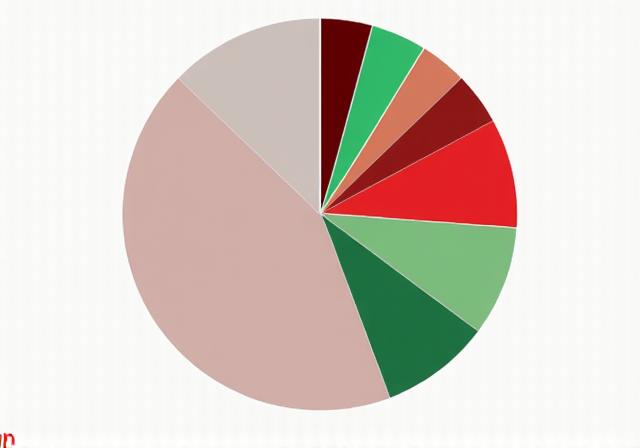
A cluttered chart using confusing red and green segments

Using strict red/green palettes can be indistinguishable for the 8% of men with colorblindness and creates unnecessary visual alarm.

The Archylisis Approach

A clean chart using high-contrast shades of blue and orange for clarity

We utilize high-contrast, color-blind friendly palettes (like blue/orange) that maintain meaning even when printed in grayscale.

Choosing the Right Chart

Bar Charts vs. Pie Charts

Human eyes are much better at comparing lengths than angles. Use Bar Charts for precise comparisons and save Pie Charts for very simple part-to-whole relationships (2-3 segments max).

Line Charts for Continuity

Always use line charts to show trends over time. Connecting points implies a relationship and chronological flow that bars sometimes obscure.

The Archylisis Framework

Every dashboard we build for our clients undergoes a rigorous design review. We don't just ask "does this look good?" We ask "what is the first question this visual answers?" Our goal is to provide crystal-clear insights that empower your next big move.